Learning 2026
Teaching & Learning Model
English
Mathematics
Assessment & Reporting
EAL
Specialist Programs
Teaching & Learning Model
How we teach, check and respond to student learning.
English
Building confident readers, writers and communicators.
Mathematics
Building strong foundations, fluency and mathematical thinking.
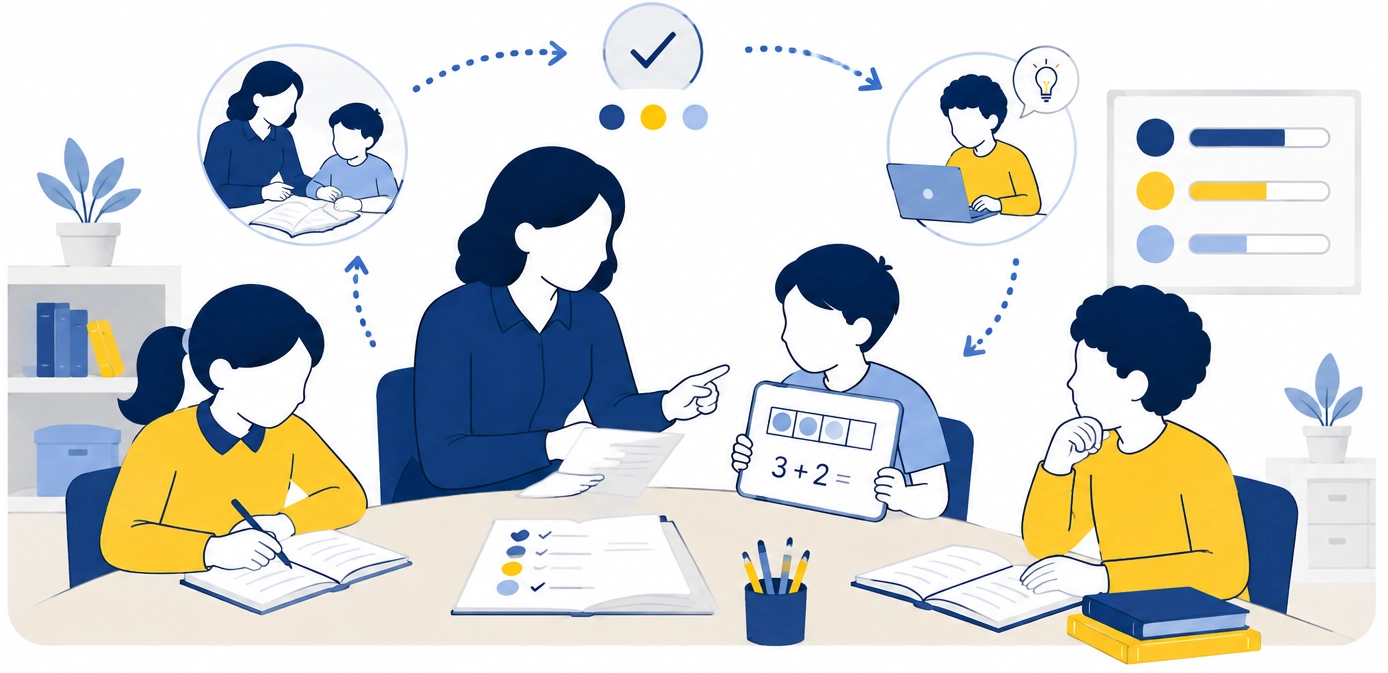
Assessment & Support
Knowing how students are progressing and responding to what they need.
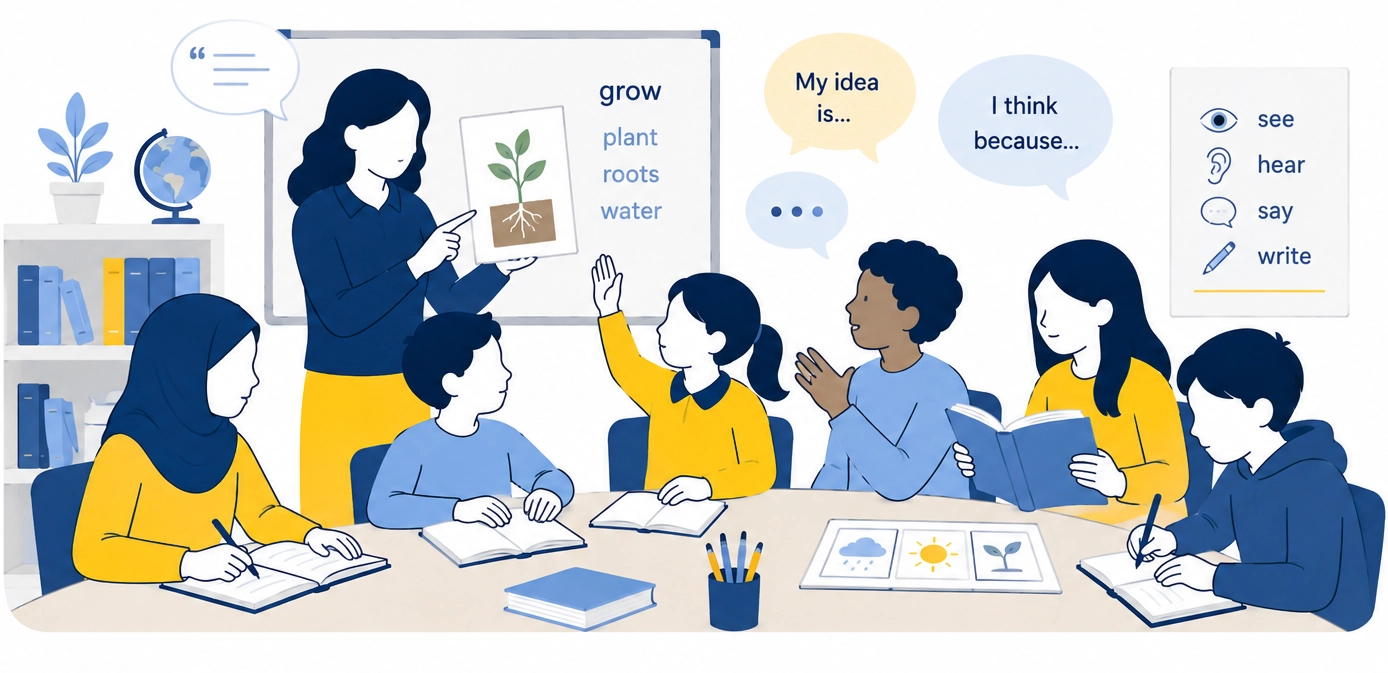
English as an Additional Language
Supporting English language development through rich, explicit classroom teaching.
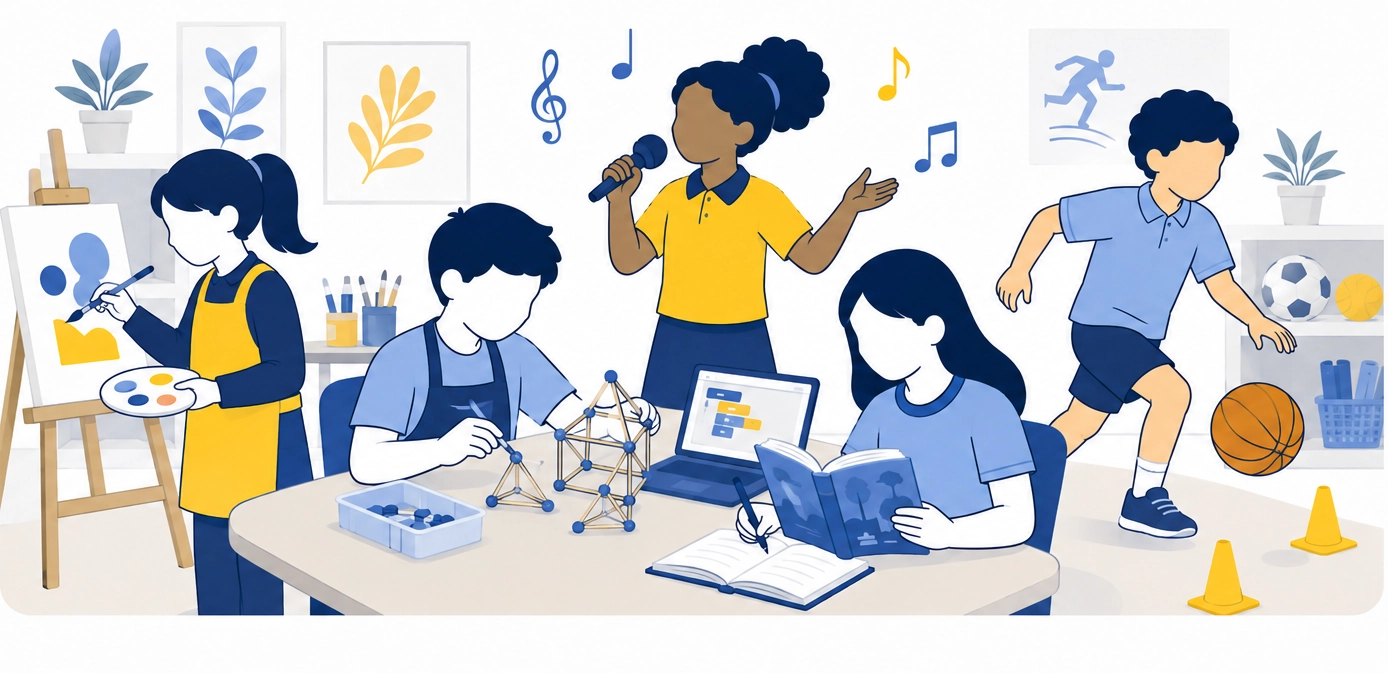
Specialist Programs
Opportunities to learn, create, perform, explore and be active.
Teaching & Learning Model
Clear teaching. Strong foundations. Every child supported.
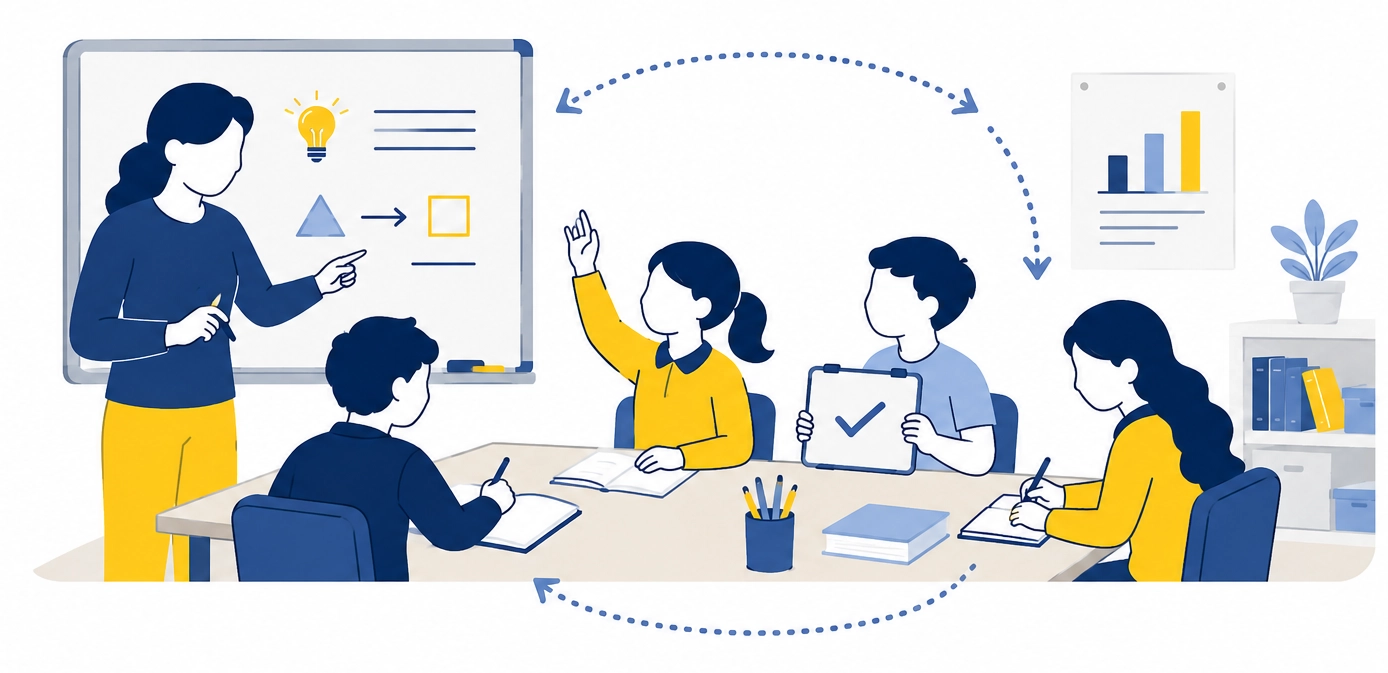
At Chandler Park Primary School, we know that children learn best when new learning is clearly explained, they have time to practise, and their teacher checks that they understand before moving on.
Our Teaching and Learning Model gives teachers a consistent approach to teaching across the school. It is closely aligned with the Victorian Teaching and Learning Model and informed by the Science of Learning — research that helps us understand how children learn best.
In our classrooms, teachers introduce and model new learning, practise alongside students and regularly check for understanding. What teachers see and hear helps them decide what each student needs next — whether that is more explanation, further practice, additional support or greater challenge.
As students become more confident and secure in their learning, they are supported to work with increasing independence.
For families, this means a clear and consistent approach: we teach, we check, and we respond to what students need.
How learning happens at Chandler Park
Our Teaching and Learning Model provides a clear and consistent way for students to learn something new. Teachers first show and explain, then practise with students, before supporting them to work more independently.
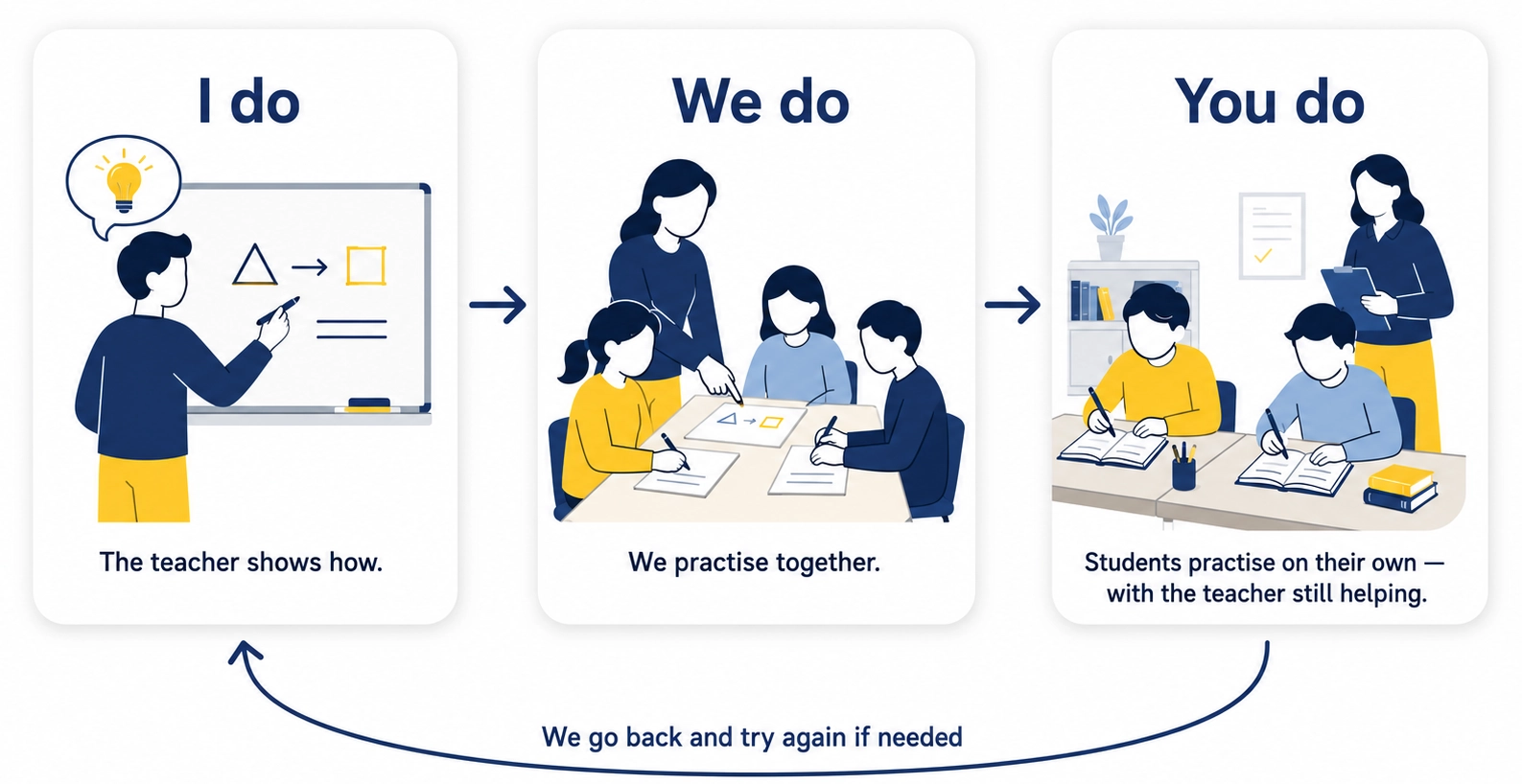
We respond to what students need
Learning does not simply move forward because a certain amount of time has passed. If students need more support, the teacher can return to explaining, modelling and practising together before moving on again.
This means students are supported to develop a strong understanding before being expected to work independently.
What this means for your child
At Chandler Park, you can expect your child to experience learning that is clear, supportive and responsive to their needs.
- Clear explanations. Teachers explain and show students what they are learning and what success looks like.
- Time to practise. Students practise new skills with their teacher before being expected to work on their own.
- Regular check-ins. Teachers check understanding throughout the lesson so they know how students are progressing.
- The right next step. If a student needs more help, more practice or greater challenge, teachers adjust their teaching to respond.
- Growing independence. As students become confident and secure in their learning, they are supported to take greater responsibility and work more independently.
This approach means students are supported to understand their learning before moving on. It helps us build strong foundations while giving teachers the information they need to provide the right support or challenge at the right time.
English
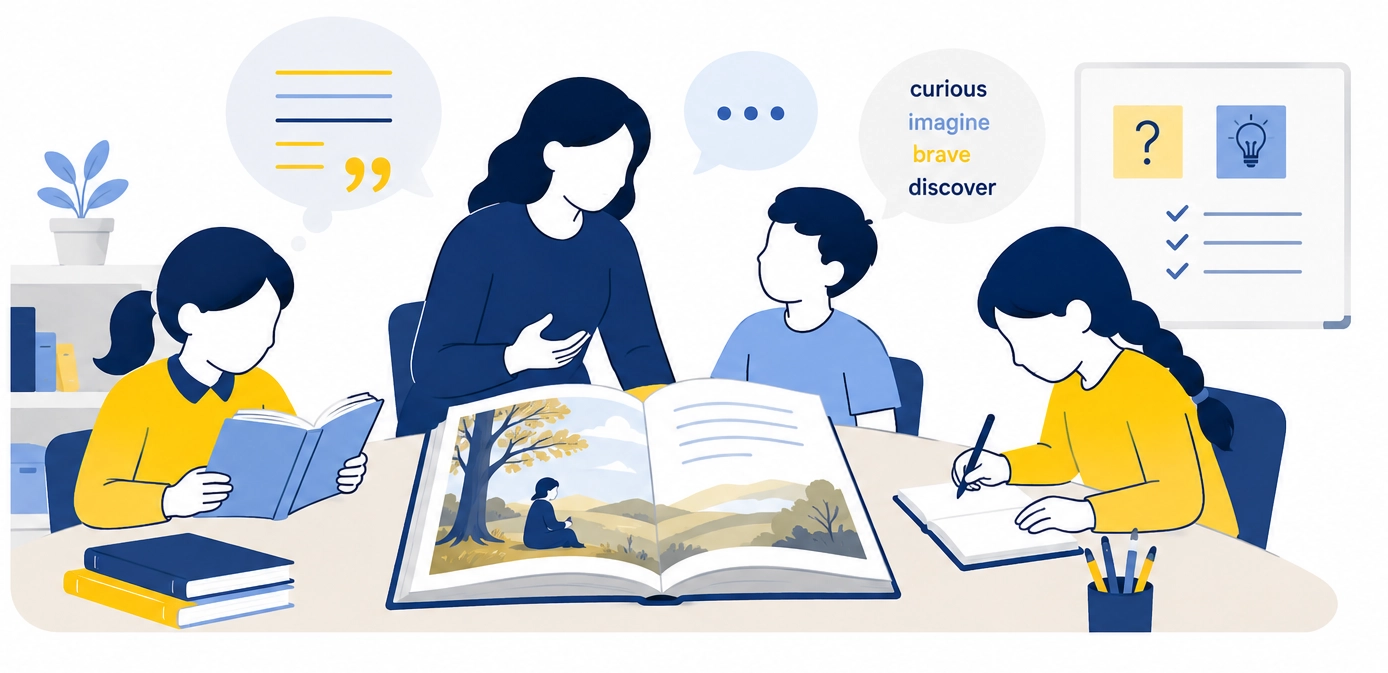
At Chandler Park Primary School, we want every child to become a confident and capable reader, writer and communicator.
Our English curriculum is carefully sequenced from Prep to Year 6, building the knowledge, vocabulary and skills students need to read, write and communicate with increasing confidence and independence.
Prep–Year 2 | Building Strong Foundations
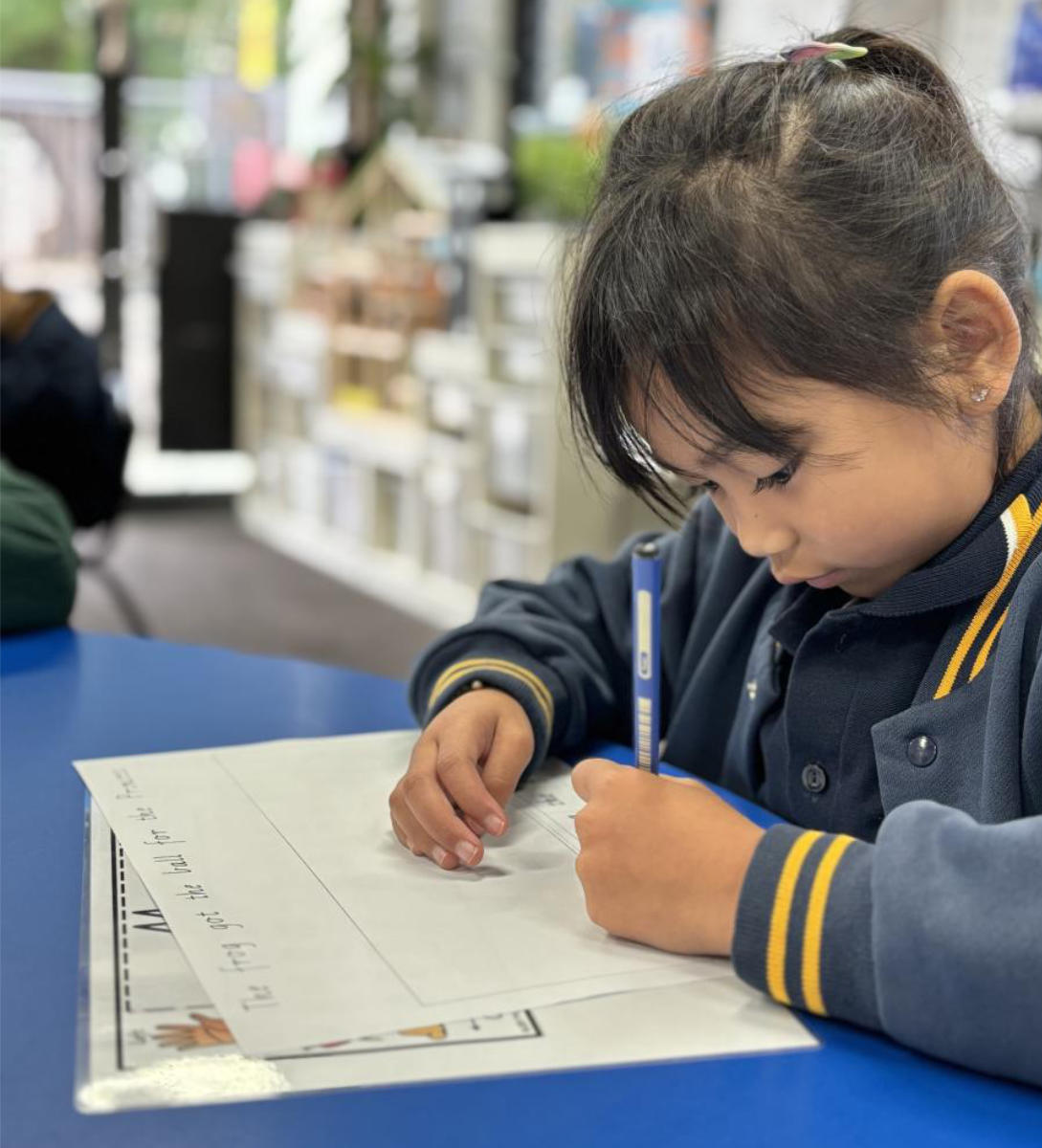
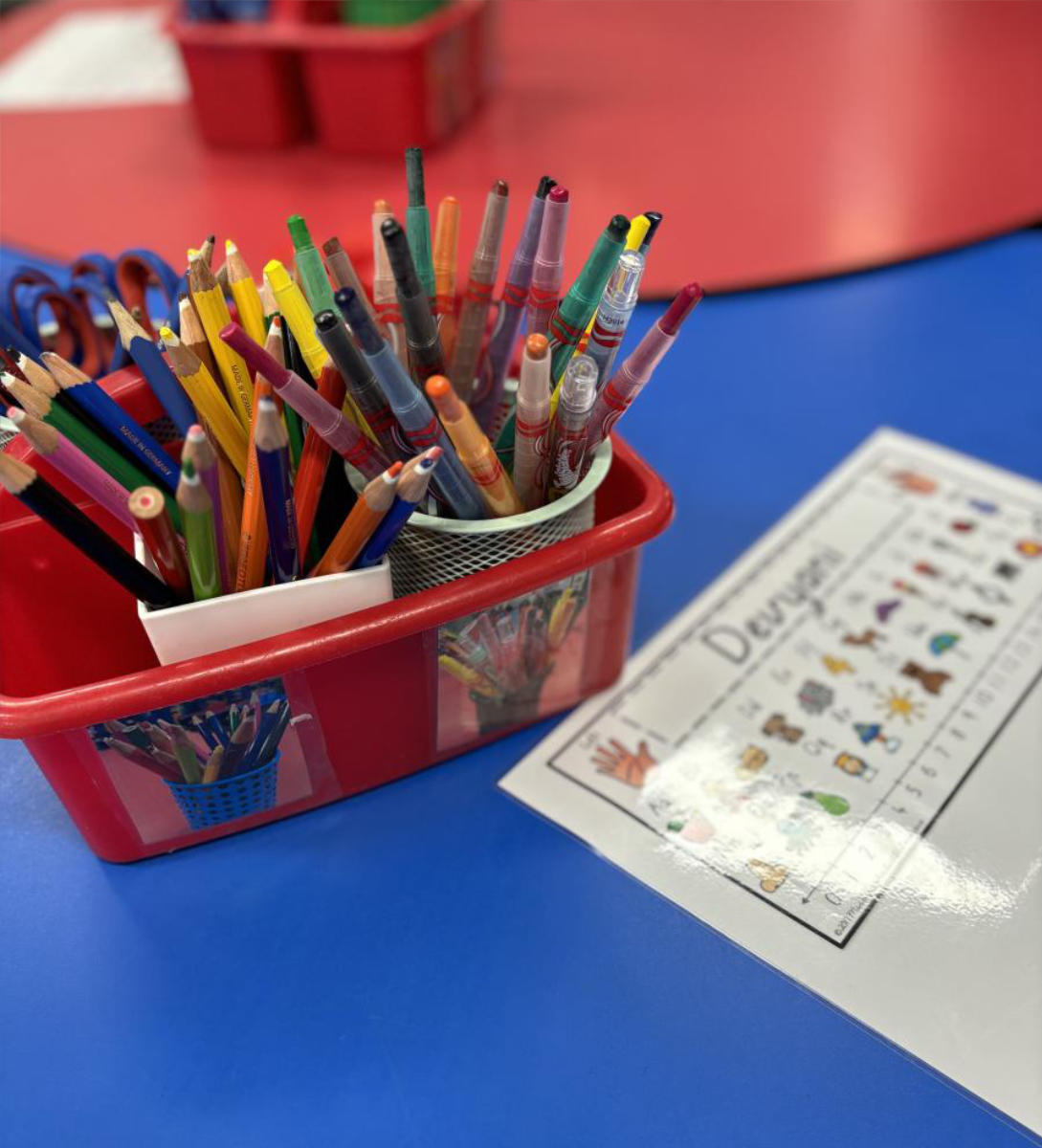
In the early years, students participate in daily, systematic and explicit phonics instruction. They learn how sounds and letters work together, how to blend sounds to read unfamiliar words and how to segment words to support spelling. Regular review and practice help students develop accurate and fluent reading.
Alongside this, we build oral language, vocabulary and comprehension through high-quality texts, storytelling, discussion and meaningful Language Experiences. These experiences build the knowledge and language students need to understand what they read and express their ideas in writing.
Reading and writing develop together, with students moving from oral storytelling and retelling towards creating increasingly detailed sentences and texts.
Years 3–6 | Developing Skilled Readers and Writers
In Years 3–6, students build on these foundations through Novel Studies and high-quality literature, poetry and nonfiction.
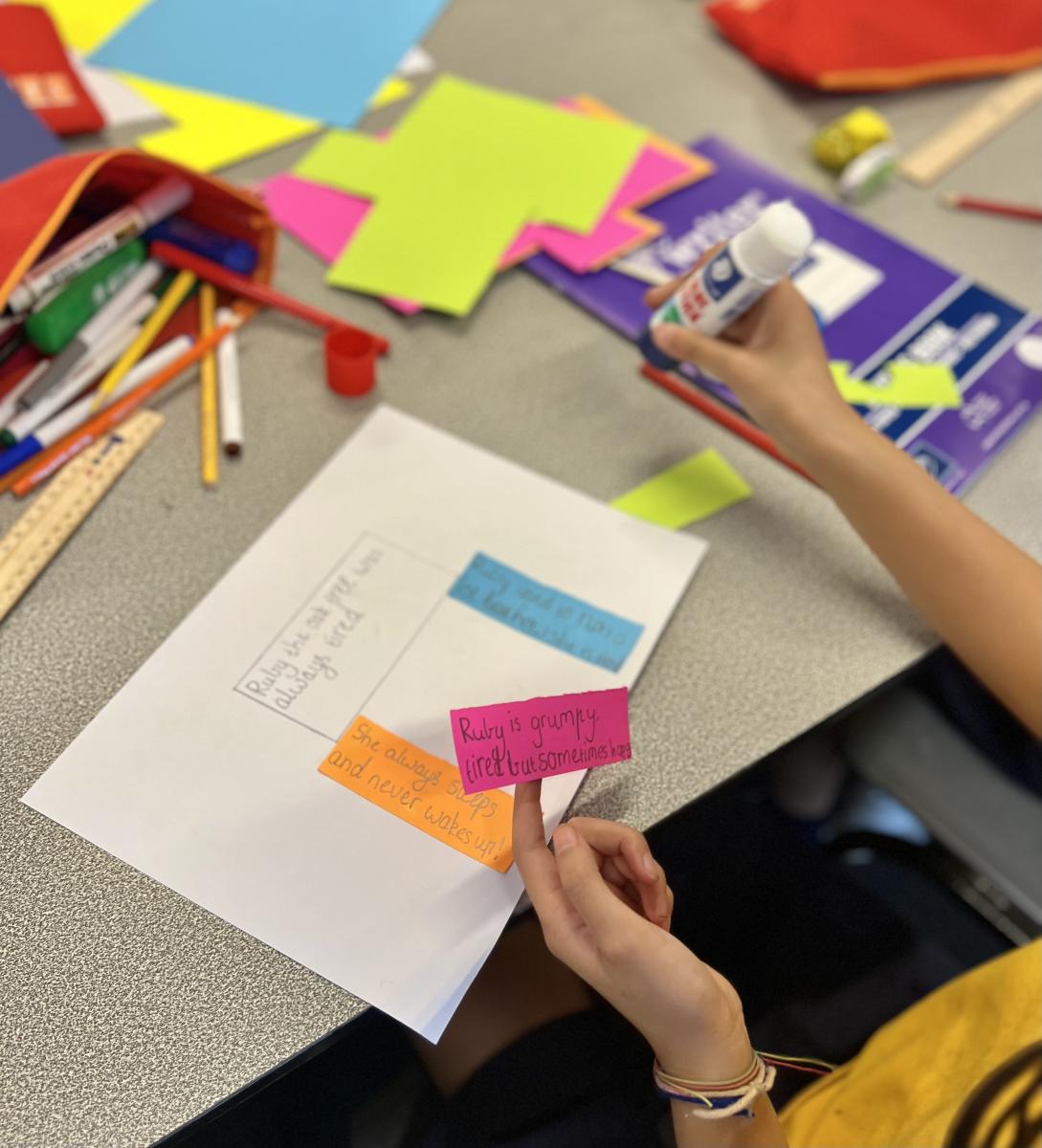
Students develop fluency and deeper comprehension by exploring characters, themes, vocabulary, language and authors’ choices. They learn to make inferences, discuss ideas and support their thinking with evidence from texts.
Vocabulary and grammar are explicitly taught in context. Students explore how words, phrases, clauses and sentences create meaning and apply this knowledge to their own writing.
Writing develops from carefully constructed sentences and paragraphs to whole texts, with students creating increasingly sophisticated imaginative, informative and persuasive writing.
Rich Texts, Rich Knowledge
High-quality texts are at the heart of our English curriculum. Students experience Australian and international literature, First Nations perspectives, fiction, nonfiction and poetry.
Through these texts, students build knowledge, vocabulary and understanding of the world, while seeing how skilled authors use language and structure to communicate ideas.
How We Teach English
English reflects our whole-school Teaching and Learning Model:
Tuning In → I Do → We Do → You Do
Teachers connect to prior learning, explicitly model new knowledge and skills, provide guided practice and gradually support students towards independence.
Daily Review strengthens previous learning, while regular checks for understanding help teachers determine when students need further teaching, additional practice or greater challenge.
Our Goal
We want every student to leave Chandler Park as a confident reader, thoughtful writer and effective communicator, with the knowledge and literacy skills they need for learning and life.
Numeracy
At Chandler Park Primary School, we want every child to become a confident and capable mathematician.
Our Mathematics curriculum is carefully sequenced from Prep to Year 6, using Ochre Mathematics to structure our learning. Students develop strong mathematical foundations, fluency, problem-solving skills and a deep understanding of how mathematics works.
Building Strong Foundations
From Prep, students develop a strong understanding of number, patterns, measurement, space and data.
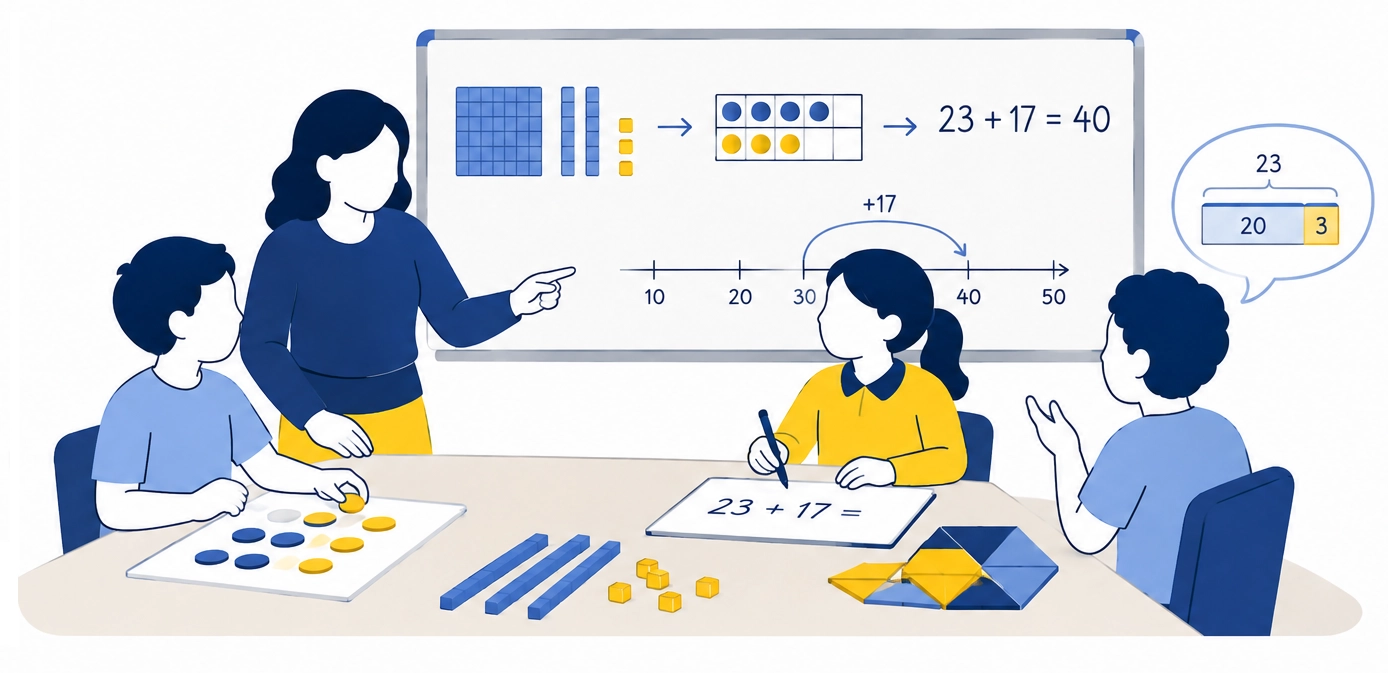
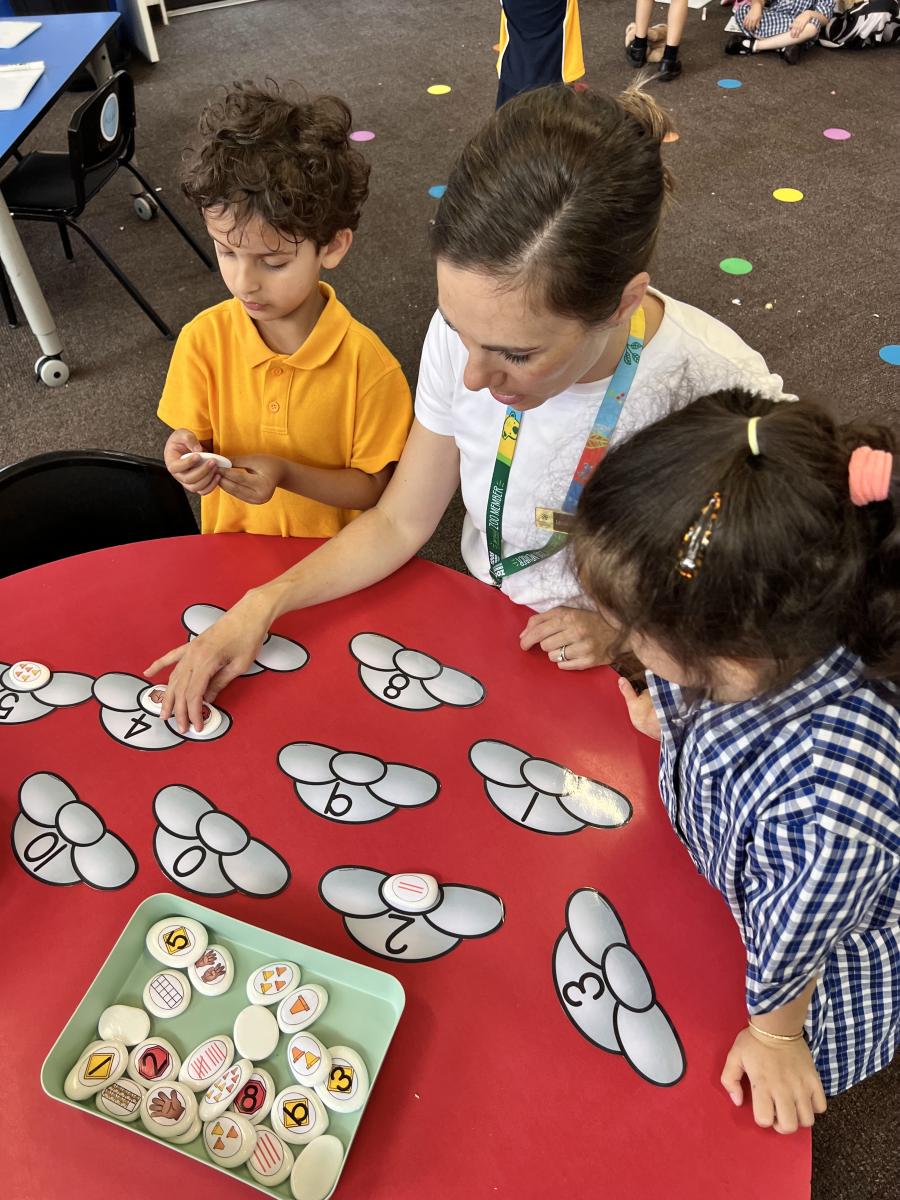
Mathematical concepts are explicitly taught and modelled. Students use hands-on materials and visual representations before connecting their understanding to numbers, symbols and mathematical strategies.
Regular practice and Daily Review help students build fluency, recall important number facts and strengthen previously learned skills.
Developing Mathematical Thinkers
As students progress through the school, they work with increasingly complex mathematical concepts and problems.
Students learn to select efficient strategies, recognise patterns, make connections and explain their mathematical thinking. They are encouraged to show their thinking in different ways and justify how they reached a solution.
Problem solving and reasoning are embedded throughout learning so students develop both mathematical fluency and deep conceptual understanding.
How We Teach Mathematics
Mathematics reflects our whole-school Teaching and Learning Model:
Tuning In → I Do → We Do → You Do
Teachers connect to prior learning, explicitly model new concepts and strategies, provide guided practice and gradually move students towards independence.
Throughout lessons, teachers check for understanding and respond to student needs through further modelling, practice or challenge.
Our Goal
We want every student to leave Chandler Park with strong mathematical foundations, confidence in their abilities and the skills to use mathematics to understand and solve problems in the world around them.
Assessment & Support
Knowing how students are progressing. Responding to what they need.
At Chandler Park Primary School, assessment is part of everyday teaching. Teachers gather evidence of what students know and can do, use this information to plan the right next steps and continue checking whether students are making progress.
Assessment is not simply about tests or scores. It includes the questions teachers ask, the work students complete, observations during lessons and more formal assessments at key points throughout the year.
This helps us answer three important questions:
- What does this student already know and understand?
- What do they need to learn next?
- Is our teaching helping them make progress?
How do we know how students are progressing?
Teachers check student learning in different ways and for different purposes.
During lessons, teachers regularly check for understanding by asking questions, reviewing student responses and observing students as they work. This gives teachers immediate information about whether students are ready to move on or whether they need further explanation or practice.
At key points throughout the year, teachers also use assessments to build a broader picture of student achievement and progress. This information is considered alongside classroom learning rather than relying on a single test or score.
Teachers work together to review this evidence, identify patterns and make informed decisions about what students need next.
What happens when a student needs more support?
When assessment shows that a student is experiencing difficulty, our first response is to understand what they are finding difficult and why.
Teachers may provide further explanation, additional modelling, more guided practice or adjust upcoming teaching to strengthen important knowledge and skills.
Where concerns continue, additional assessment may be used to identify the student's specific learning needs. Some students may then benefit from more targeted teaching or additional support alongside their classroom learning.
The type and intensity of support will depend on the student's needs. We work with families when additional support is required and keep the focus on helping students make meaningful progress.
How do we know whether support is working?
Providing additional support is only useful if it helps a student learn.
When students receive targeted support, teachers monitor their progress over time. This helps us determine whether the student is responding to the teaching and whether the support should continue, change or be intensified.
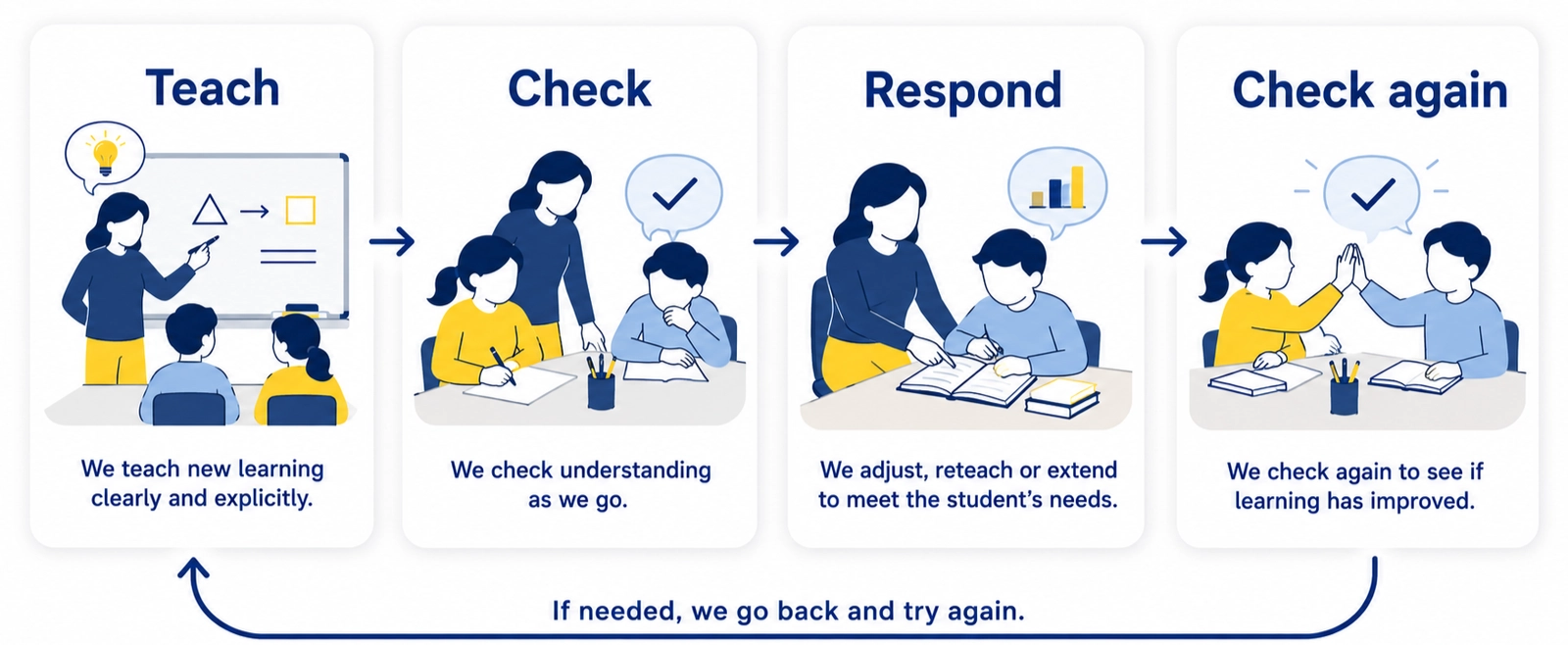
Our approach is simple:
Teach → Check → Respond → Check again
We do not assume that an intervention or strategy is working simply because it has been provided. We look for evidence that the student is learning and adjust our approach when needed.
What if my child is ready for greater challenge?
Responding to student learning also means recognising when students are ready to move beyond what they can already do.
Teachers use assessment and classroom evidence to identify students who are secure in their learning and ready for greater challenge. This may involve working with more complex ideas, applying learning in unfamiliar situations, solving more demanding problems or extending the depth of knowledge and understanding expected.
The aim is not simply to give students more work. It is to provide learning that appropriately extends their thinking and helps them continue to make progress.
Working with families
Families are important partners in understanding and supporting student learning.
Student progress is communicated through regular school reporting processes and conversations between families and teachers. Where a student requires additional or targeted support, we work with families to share information, discuss progress and consider appropriate next steps.
If you have questions or concerns about your child's learning or progress, we encourage you to speak with their classroom teacher.
Our Goal
Our goal is for every student to experience teaching that responds to where they are in their learning.
By gathering evidence, checking progress and adjusting our teaching, we aim to ensure students receive the right support or challenge at the right time so they can continue to learn, grow and succeed.
English as an Additional Language
At Chandler Park Primary School, we are fortunate to have a richly multicultural school community, with our students and families bringing a wonderful diversity of languages, cultures and experiences.
We recognise that students learning English as an Additional Language (EAL) bring valuable knowledge, experiences and language skills to their learning.
High-Quality Teaching in Every Classroom
EAL students learn alongside their peers through our whole-school curriculum. Their language development is supported through high-quality, explicit classroom teaching across all areas of learning.
Our teachers use evidence-informed strategies that support students to access new learning and develop their confidence with English. These include:
- explicitly teaching vocabulary and new concepts
- using visuals, modelling and worked examples
- providing opportunities for talk, discussion and oral rehearsal
- connecting new learning to prior knowledge and experiences
- modelling language and providing sentence and writing scaffolds
- regularly checking for understanding and responding to individual learning needs.
Language-Rich Classrooms
Our classrooms provide many opportunities for students to listen, speak, read and write throughout the school day.
Rich texts, classroom discussion and meaningful learning experiences help students build vocabulary, background knowledge and confidence in communicating their ideas.
Our goal is for every EAL student to feel included, valued and successful, while having full access to the same rich curriculum and high expectations as their peers.
At Chandler Park, our cultural and linguistic diversity is a strength that enriches learning across our whole school community.
Specialist Programs
Content to be supplied...
All old content below here
Digital & Design Technologies
Please watch the video below to learn more about Technology at CPPS.
Inquiry Learning
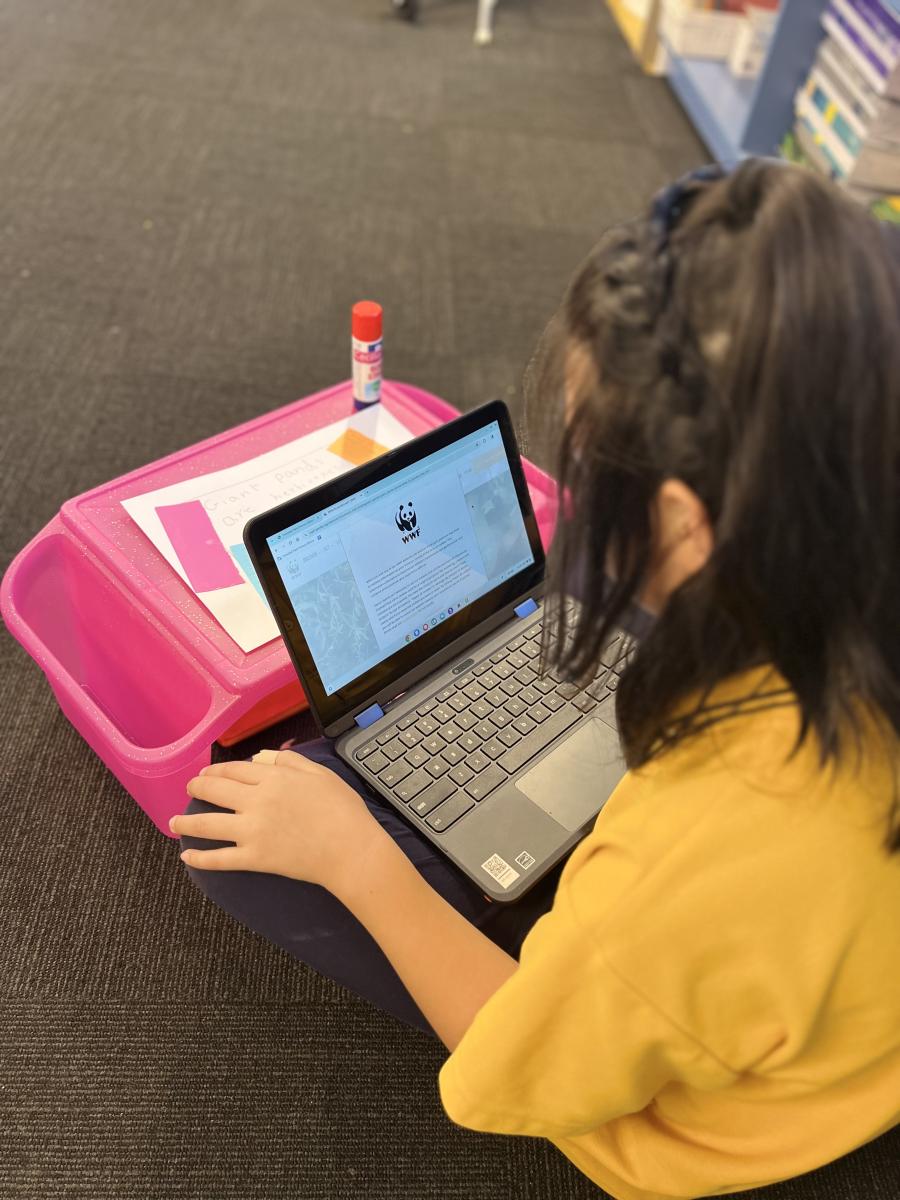
Chandler Park aims to develop student skills and understandings of the Victorian Curriculum using an Inquiry approach. Learning using the inquiry approach involves students forming their own questions about a topic and having time to explore the answers. The students are both problem posers and problem solvers within Inquiry Learning. Inquiry Learning encourages learners to examine the complexity of the world and form concepts and generalisations instead of being told simple answers to complex problems. The focus is on ‘how we know’ rather than ‘what we know’, with students actively involved in the construction of their own knowledge.
The inquiry approach to learning is based on the belief that students are powerful learners who must be actively engaged in the process of investigating, processing, organising, synthesising, refining and extending their knowledge within a topic. In other words this process is highly influenced by the theory of constructivism.
The inquiry process involves:
- planned, direct and vicarious experiences that provide opportunities for students to pose questions and gather information.
- activities that help students organise new information and use skills in a way that assists them to form concepts and generalisations about their world
- opportunities for students to demonstrate what they have learnt
- applying the knowledge, skills and values to other contexts.
The process in a nutshell includes:
- A problem or question
- A hypothesis
- Data collection and analysis
- Drawing conclusions
- Making generalisations and reflecting
- Authentic action
The inquiry process has the potential to develop skills and dispositions for lifelong learning, for example, independence, thinking skills, confidence, decision making, cooperative learning and other life skills. Using this approach we can integrate different subject areas, information technology and global issues.
Our aim is to place the student as a central player in the decision making process so the pace, content and skill development can better match the needs of the learner. Because the approach makes learning relevant and purposeful, ownership and responsibility for the learning process is intrinsic, impacting on enjoyment and on-task behaviour.
While there are different starting points for inquiries, for example, topical, global or community issue, interest or play-based, inquiries generally have the following characteristics.
They
- are student centred and directed
- emphasise process and skill development
- require students to ask questions
- are conceptual based rather than factual
- involve some negotiation with students
- encourage learner interaction
- build upon prior knowledge
- utilise and consider students interests
- include direct experiences
- integrate reflection and metacognition
- involve the application of ideas
- explore affective aspects of learning
- raise different perspectives and tackle values
Reference: Adapted from Focus on Inquiry (2003) Jeni Wilson and Lesley Wing
Jan and Invitation and Inspirations Moss et al. Curriculum Corporation, Victoria.
Jeni Wilson & Kath Murdoch
Specialists
Library
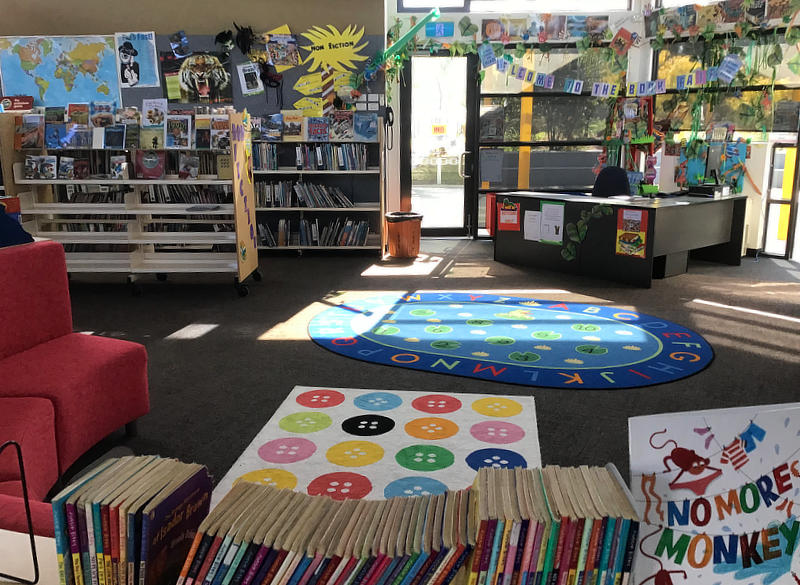
Students at Chandler Park have access to weekly library sessions within our library. There is new furniture as well as an array of books to choose from. We currently have over 10,000 books for students to choose from and students love exploring the space and books during weekly library sessions. Mrs. Brown is our school Librarian.
Mandarin Chinese (普通话) Program
At Chandler Park Primary School, all students from Prep to Year 6 learn Mandarin Chinese (普通话). Our Mandarin program provides students with opportunities to explore the language and gain an appreciation of Chinese culture.
Through engaging and practical topics such as Chinese characters, stories, festivals and modern life in China, students develop their understanding of both traditional and contemporary Chinese culture. The program also connects with other learning areas, including Mathematics, Music and English, to deepen understanding and make learning more meaningful.
Mandarin lessons focus on building students’ confidence in speaking and listening. Learning takes place in an authentic Mandarin-speaking environment and is supported through small-group activities, songs, games, crafts and role-play.
Each year, Chandler Park Primary School celebrates Harmony Day to promote language learning and cultural awareness. Students across all year levels come together to celebrate multilingualism and multiculturalism, with guest performers and speakers invited to share their cultural experiences.
At Chandler Park, we value language learning and celebrate the rich cultural diversity of our school and wider community.
Angela Jia
Languages (Mandarin) Teacher
Performing Arts
At Chandler Park Primary School, performing arts is part of a multi-faceted arts curriculum where the focus is on children expressing themselves through music, drama, dance and media.
The purpose of the Performing Arts is to build student confidence, give them a creative outlet and challenge them in new and exciting ways.
A Drama focus enables the children to express themselves through words, gestures and body language. It teaches them confidence to get up in front of their peers to perform their own and others’ pieces of work. They learn to respect the work of their fellow classmates and how to give constructive feedback on how they can improve their work and progress to the next level. Basic stagecraft techniques are taught in a safe environment where the students can explore the different drama conventions and principles in order to enhance the message or idea they are trying to convey.
A Music focus provides opportunities for students to learn how beat, rhythm, dynamics and pitch are used in different genres of music. Students experience and create music by learning to play tuned and un-tuned percussion instruments, creating music that reflects a theme or emotion and producing sound effects to complement their drama performances. They learn to read melodies and rhythms on a range of instruments and by using their voices.
A Dance focus allows students to express themselves using their body as the instrument and movement as a form of social, emotional and physical communication. Like all art forms, dance has the capacity to engage, inspire and enrich students and promotes wellbeing and social inclusion.
A Media focus encourages students to explore digital creativity to share visual representations that can communicate, challenge and inspire an audience. Students are able to develop their confidence, critical reasoning and practical skills through their involvement in digital media art forms.
Many children are involved in choirs and we offer opportunities for performances at assemblies, local shopping centres, nursing homes and productions. A production provides wonderful experience for students in prop building, costuming, performing and many other ‘behind the scenes’ roles. It is also a wonderful opportunity for the whole school community to celebrate the many talented students we have at Chandler Park Primary School.
Kerri Noy
Performing Arts Teacher
Physical Education
The Physical Education program enables all students from Foundation to Grade 6 to regularly engage in physical activity. The focus of the program is to motivate and encourage students to lead a healthy and active lifestyle whilst developing a range of fundamental motor skills. The students participate in different activities allowing them to gain the confidence they need in order to succeed. All students attend a specialist PE lesson once a week to refine and develop their skills through a wide range of sports and games.
Lisa Lawson
PE Teacher
Extra Curricula Programs
Children in Prep grades regularly participate in the PMP program. This program assists students in their social development and relationships with their peers and the surrounding environment. It aids concentration and reasoning and gives a sound basis for future formal learning. PMP enhances brain development by stimulating the five senses through movement.
Year 1/2 & 3/4 students participate in weekly blocks of 1/2 or 3/4 Sport. This provides an opportunity for students to mix outside of their own social circles and to develop specific sports skills in a fun games environment.
Year 5/6 students participate in weekly interschool sports matches during Term 1. During this time, they have the opportunity to choose one of the 5 team Summer sports and sharpen their sport and team skills against other schools in the district. Sports offered in the Summer sports program are Basketball, Softball, Tennis, Cricket and Volleyball.
In 2018 the students participated in their first Colour Run. This was a highlight for many students and teachers and has now become an annual part of our program.
We have been very fortunate to receive government grants which enable the students to access professional coaches through the Sporting Schools Program Coaching Sessions in various sports.
For the past few years, we have run a 4/5 session AFL AUSKICK Program once a week after school in Term 1. Accredited Auskick Coaches run the sessions at a reduced fee for all CPPS participants
Additional events that occur off site are:
- Cross Country Races
- Interschool Athletics Carnival
- Swimming Lessons
A range of Camps are available including the 5/6 camp, 3/4 camp and Grade 2 sleepover.
STEAM
The Science program at Chandler Park Primary School is designed to inspire students to think about the role science plays in their everyday lives. The program encourages students to think about the things they use and see everyday in their lives and to question how those things relate to science or how they have developed over time.
Every week the students participate in an hour lesson in our new purpose built science laboratory. The lessons are engaging and as hands-on as possible. Areas of study include Biological Science, Physical Science, Earth and Space Science and Chemical Science as prescribed in the Victorian Curriculum.
At different times during the year, students may also have the opportunity to participate or be selected for additional science programs such as the ‘Little Scientist, Big Science’ program.
Jess McKenzie
STEAM Teacher
Visual Arts
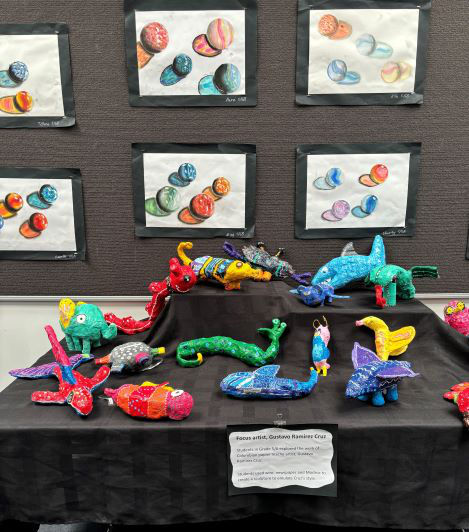
The Da Vinci Studio is an open, light space that compliments and allows freedom of creativity. It is a nurturing learning environment where resilience is encouraged, mindfulness is practiced and persistence appreciated.
Children have an opportunity to have a voice and take responsibility for their learning. In the Da Vinci Studio, our aim is to engage learners with the idea that art should challenge thinking, provoke an action and inspire new ideas. Where possible the visual art program connects with all areas of the curriculum and makes links to Inquiry learning.
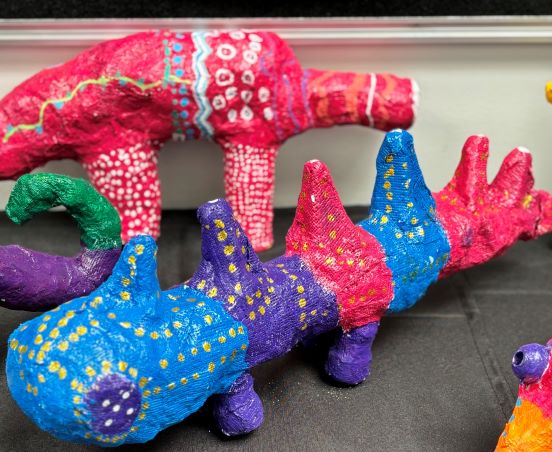
Children will have the opportunity to explore visual arts through the Seven Areas of Art; Drawing, Collage, Painting, Printmaking, Textiles, Construction, Modelling, The Art Elements; Colour & Value, Line, Shape (2D), Texture, Space, Form (3D) and The Art Making process; Ideas for Art, Art Making, Responding to Artworks.
Helen Aridas
Visual Arts Teacher
EAL
English as an Additional Language (EAL) Program
At Chandler Park Primary School, we are proud of our vibrant, multicultural community, where 82% of families speak a language other than English at home. To celebrate and support this diversity, we have launched the foundation year of our newly developed English as an Additional Language (EAL) program.
Our EAL program places students at the centre of their learning. It helps them build English language skills through authentic experiences, rich classroom conversations and engaging activities that strengthen vocabulary and understanding. The program aligns with the Victorian Curriculum EAL Pathways, focusing on Speaking and Listening, Reading and Viewing, and Writing.
In this first year, we are establishing a consistent, evidence-based approach that uses formative assessment, builds teacher expertise and strengthens partnerships between home and school. Through the program, students share their stories, make cultural connections and develop as confident, capable learners.
Guided by our school values of Respect, Resilience, Collaboration, and Innovation, we are committed to providing inclusive learning environments where every student feels supported, valued, and ready to thrive.
Student Voice
Student voice acknowledges that students have unique perspectives on learning, teaching, and schooling, and such should have the opportunity to actively shape their own education. Student voice is students actively participating in their schools, communities and the education system, contributing to decision making processes and collectively influencing outcomes by putting forward their views, concerns and ideas. Student voice allows students to engage, participate, lead and learn.
At Chandler Park Primary School we acknowledge that Student Voice is a powerful driver to motivate learning. We strongly believe that students having a voice is important at both a local and global level. The opportunity to be heard and be involved as key stakeholders ensures that view points from a range of representative students are heard and this in turn leads to more informed decision making.
Students at Chandler Park have a say in the classroom and are able to express agency in learning. At Chandler Park, staff are regularly reflecting on Student Voice and Agency. In addition, we have run focus groups where students have had their voice on various matters and also empowered student leaders to run assemblies and special events. We also participate in local youth leadership forums, such as the Dandenong Children’s Forum and larger state events- like the Victorian Youth Parliamentary Convention. We continue to engage within the school and wider community to foster a strong student voice for all at Chandler Park Primary School.